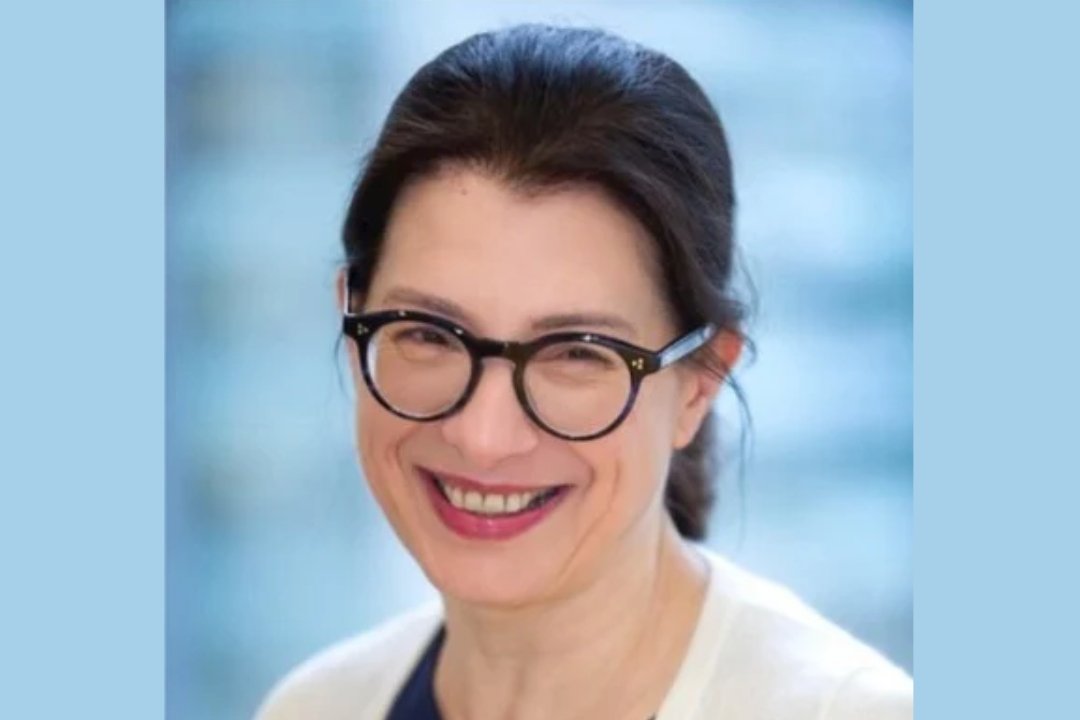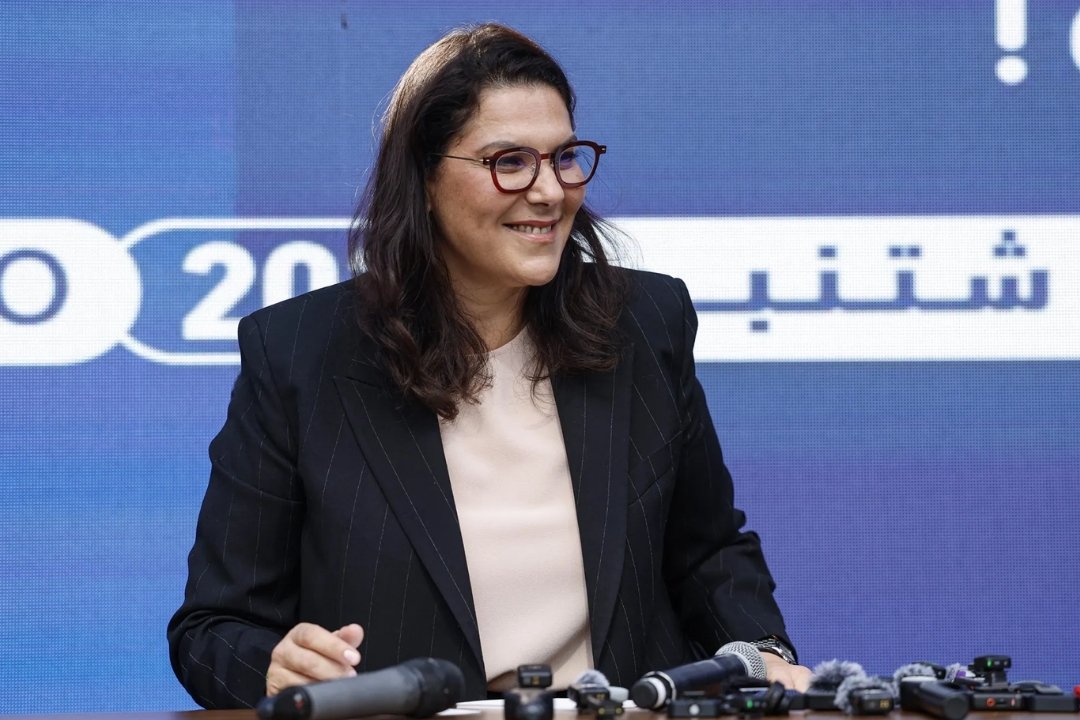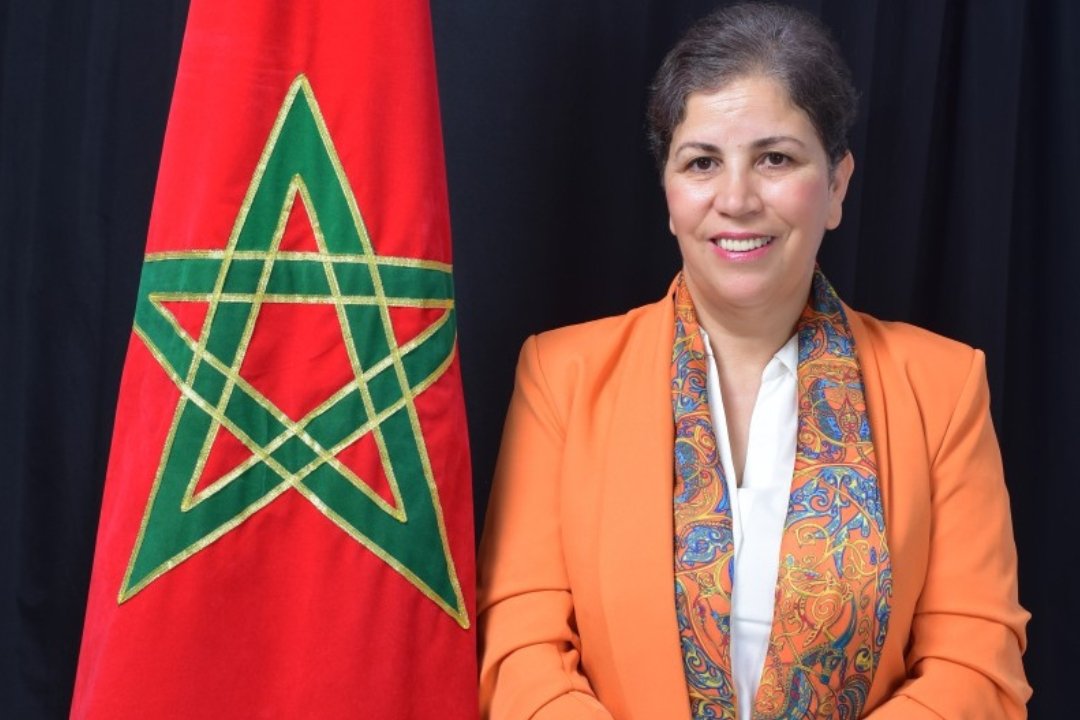

Moroccan nuclear specialist Khadija Bendam has been appointed first vice president of the International Nuclear Societies Council (INSC), becoming the first woman to hold the position in the organisation’s history.
The INSC, founded in 1990, brings together nuclear societies from around the world and represents a professional community of more than 80,000 members. Bendam’s appointment, made in representation of “Women in Nuclear-Global,” is regarded as a significant step in a sector where female participation remains limited.
Her mandate as vice president runs for one year and will conclude at the next INSC General Assembly, scheduled to take place in Vienna during the 69th General Conference of the International Atomic Energy Agency (IAEA).
The announcement comes shortly after Morocco secured a seat on the IAEA Board of Governors for the 2024–2026 term. The North African country was elected by acclamation during the agency’s 68th General Conference and has since pledged to promote nuclear disarmament, strengthen non-proliferation commitments, and support the peaceful use of nuclear science and technology.
“This is an incredible opportunity to contribute to the progress and success of the INSC,” Bendam said. She also stated her determination to work closely with colleagues across the nuclear community, expressing enthusiasm about advancing cooperation within the sector.
The INSC operates as a non-governmental body accredited by both the IAEA and the United Nations Environment Programme (UNEP). It provides a platform for international collaboration between nuclear societies and helps define shared priorities for professionals in the field.
Alongside her new position at the INSC, Bendam also serves as vice president of the Arab Women Network in Chemical, Biological, Radiological, and Nuclear (CBRN) Security, a role she assumed in December 2024. The network is dedicated to promoting women’s participation in CBRN security, bringing together experts, policymakers, and specialists to exchange knowledge and develop practical expertise.
Her appointments to both organisations highlight her role as a leading advocate for women’s representation in nuclear and CBRN-related sectors.