
The United Nations Economic Commission for Africa (ECA) has announced a set of new commitments aimed at advancing women’s leadership and economic empowerment across African agrifood systems during the International Year of the Woman Farmer 2026.
The commitments were outlined by Ms Zuzana Schwidrowski, Director of the Socioeconomic Development Division at ECA, during the 9th EWA–AWLN High-Level Breakfast Meeting held on the sidelines of the 39th African Union Summit in Addis Ababa. ECA said it will work alongside the African Union, UN Women, the African Women Leaders Network (AWLN) and the Empowering Women in Agriculture (EWA) initiative to ensure that the contribution of women farmers translates into greater influence, income and representation across the agrifood value chain.
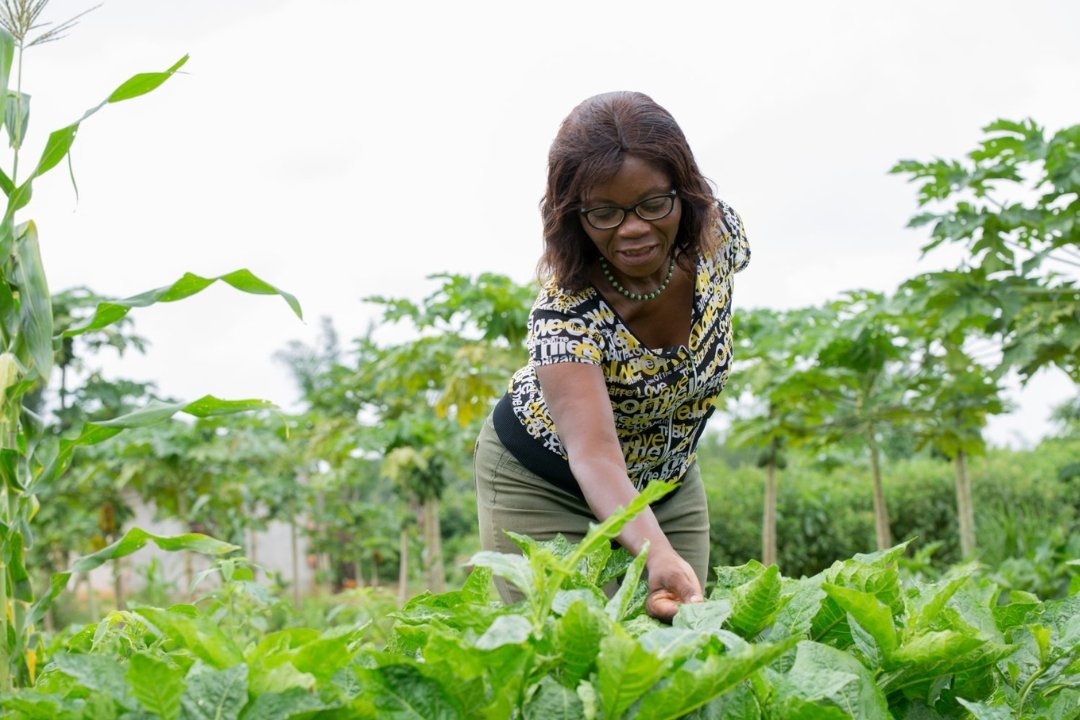
ECA said women make up a significant proportion of Africa’s agrifood workforce but continue to face structural barriers in accessing land, finance, technology, markets and decision-making roles. These constraints, the Commission noted, limit productivity and earnings and slow progress on food security and inclusive growth. Addressing these gaps was described as both a rights-based and economic priority, with equal access to productive resources expected to increase output, strengthen resilience and support progress towards the Sustainable Development Goals.
Building on its ongoing collaboration with the African Union on gender-responsive land governance and women’s economic empowerment, ECA set out three priority areas for joint action with EWA, AWLN and partners. The first focuses on securing and enforcing women’s land and property rights. This includes support for legal and administrative reforms, wider implementation of the African Union Guidelines on women’s land tenure security, and increasing the proportion of documented land held by women.
The second priority area centres on narrowing productivity and earnings gaps. Measures include expanding gender-responsive agricultural extension services and digital advisory tools, improving access to quality inputs, storage and processing facilities, and addressing care responsibilities that restrict women’s time and mobility.
The third area targets access to finance and markets for women-led cooperatives and agribusinesses. ECA said this will involve the development of innovative financial products, guarantees and partnerships with institutions such as the International Finance Corporation (IFC) and other development finance organisations.
ECA also said it will use its role as a regional convenor and think tank to ensure that robust, gender-disaggregated data on women in agrifood systems is embedded within CAADP-aligned plans, national development strategies and financing frameworks. The aim is to ensure that policy and investment decisions are informed by evidence.
In addition, ECA presented a proposal to co-create, with EWA, AWLN and the Becoming Women in Agriculture programme, an African Women Farmer Leadership and Prosperity Agenda. The proposed framework links secure land rights with care-economy investment, digital and financial inclusion, and opportunities in entrepreneurship and trade. The agenda would be supported by country roadmaps and a scorecard aligned with the emerging EWA scorecard initiative, enabling progress to be tracked in areas such as productivity, asset ownership and leadership, and providing a basis for accountability.
With growing interest from partners including the Office of the High Commissioner for Human Rights and the World Bank Group’s International Finance Corporation, ECA said it is focused on turning policy commitments into practical, country-level action in the coming months. The Commission said aligning women’s leadership and innovation with secure rights, enabling policies, skills, finance and social and digital infrastructure could make the International Year of the Woman Farmer a turning point for Africa’s agrifood systems and for rural women and youth.