October marks the global observance of Breast Cancer Awareness Month 2025, an annual campaign that unites businesses, policymakers, and health leaders in driving collective action towards early diagnosis, equitable healthcare delivery, and sustained investment from both the public and private sectors.
The first Breast Cancer Awareness Month was observed in October 1985 as a collaborative initiative between the American Cancer Society and pharmaceutical company AstraZeneca to promote mammography as the most effective tool for early detection. Over the decades, the campaign has evolved into a global movement dedicated not only to awareness but also to equitable access, research, and support for those affected.
This year’s theme: Every story is unique, every journey matters
In 2025, the World Health Organization (WHO) announced the theme: “Every Story is Unique, Every Journey Matters.” The campaign aims to honour the diverse experiences of patients, survivors, and families affected by breast cancer, reminding the world that behind every statistic is an individual journey deserving compassion and care.
As part of this year’s observance, countries hosted awareness drives, free screening camps, and survivor storytelling initiatives. The “Wear It Pink” initiative organised by Breast Cancer Now is one of the UK’s leading fundraising events supporting breast cancer research and care. Every October, during Breast Cancer Awareness Month, people across workplaces, schools and communities wear pink to show support and raise funds. Over the past 20 years, the campaign has raised more than £43 million, helping to fund life-saving research and support services. By taking part, organisations demonstrate their commitment to social responsibility and help move closer to the goal that by 2050, everyone diagnosed with breast cancer will live and live well.
Among them, The Estée Lauder Companies Charitable Foundation (ELCCF) and its longstanding Breast Cancer Campaign have contributed more than $156 million towards advancing research, education and medical services globally. Over $123 million of this funding has been directed through the Breast Cancer Research Foundation (BCRF) to support life-saving scientific research. The Campaign also invests in initiatives that expand opportunities for women in STEM, having supported more than 400 annual research grants. Through these ongoing efforts, The Campaign continues to drive innovation, promote education and empower women worldwide to take an active role in their breast health.
The global picture: Who is most affected?
Breast cancer is the most commonly diagnosed cancer amongst women globally, with the condition being life-altering for patients and their loved ones.
According to the World Health Organization, an estimated 2.3 million women were diagnosed with breast cancer in 2022, and the disease caused over 670,000 deaths worldwide. This makes breast cancer the world’s most prevalent cancer
Early detection and access to treatment are key determinants of the mortality caused by breast cancer. For instance, in high Human Development Index (HDI) countries, 1 in 12 women will be diagnosed with breast cancer during their lifetime but only 1 in 71 will die from it. In contrast, only 1 in 27 women In low-HDI countries are diagnosed but 1 in 48 will die from it (WHO). These numbers debunk the misconception that lower detection rates correspond to actually lower occurrences of breast cancer. On the contrary, higher detection rates are associated with lower mortality rates.
In the UK, breast cancer survival rates are among the highest globally, with 85% of patients surviving beyond five years. (Breast Cancer UK) Between the 1980s to 2000, age-standardised breast cancer mortality in high-income countries have reduced by 40%. In contrast, developing countries in sub-Saharan Africa and parts of South Asia continue to record higher mortality due to late diagnosis and limited treatment infrastructure.In Nigeria, the five-year survival rate is much lower, often falling lower than 50%.
How companies are tackling breast cancer?
The fight against breast cancer involves a vast network of research institutions, biotech companies, and advocacy groups. Two such notable companies at the forefront include Roche and Pfizer.
Swiss healthcare giant Roche has been a leader in breast cancer treatment for decades, pioneering targeted therapies such as Herceptin and Perjeta for HER2-positive breast cancer. In 2024, Roche launched Phesgo, a combined injectable therapy that shortens treatment time from 2.5 hours to 5 minutes, dramatically improving patient comfort and healthcare efficiency. The company has also expanded access programmes across low-income countries through partnerships with WHO and GAVI, helping reduce treatment inequities.
Meanwhile, Pfizer continues to push boundaries in early detection through AI and genomics. In 2025, it unveiled a partnership with Tempus AI to use artificial intelligence in analysing mammogram results, increasing early detection accuracy by up to 30%, according to Pfizer’s 2025 research release.
Pfizer’s global “Pink Promise Initiative” also provides mammography funding to over 100,000 women annually in developing regions, reinforcing its commitment to health equity.
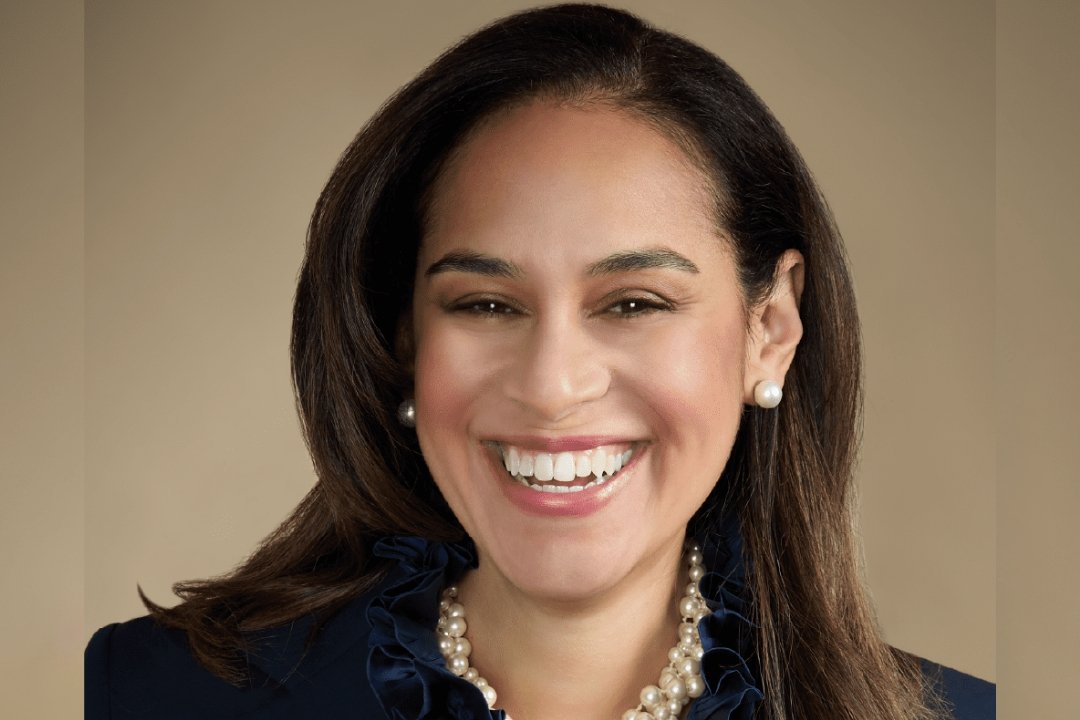
Complementing these efforts, breakthroughs in breast cancer treatment are being driven by innovators like Dr Hadiyah-Nicole Green. She is a physicist and biomedical engineer who has developed a laser-activated nanoparticle therapy that destroys cancer cells without damaging surrounding healthy tissue.
Her technology, known as Alabama Cancer Treatment (ACT) Laser System, has shown promising results in preclinical trials. Dr Green has received numerous accolades, including the 2024 National Medal of Science and Innovation, for her pioneering contribution to non-invasive cancer therapies. Her work represents the next frontier of targeted cancer care, blending nanotechnology with compassionate science.
Challenges that remain
Despite progress, breast cancer continues to expose deep global health inequalities. According to WHO, more than 70% of breast cancer deaths occur in low and middle-income countries, where late-stage diagnosis and unaffordable treatments are common.
Key challenges include:
- Limited screening coverage in rural and low-income regions.
- Shortage of oncologists and radiologists, especially in Africa and South Asia.
- Cost barriers, as modern therapies remain out of reach for many patients.
- Stigma and misinformation, which deter women from seeking help early.
As Breast Cancer Now notes, tackling these gaps requires a mix of policy reform, public education, and sustainable funding. Expanding national screening programmes, investing in digital mammography infrastructure, and integrating AI for diagnostic support can greatly improve early detection rates.
The path ahead
The Global Breast Cancer Initiative (GBCI) aims to reduce global breast cancer mortality by 2.5% per year through 2030, potentially saving 2.5 million lives.
Achieving this will require coordinated action across governments, corporations, and the medical community. Raising awareness is only the first step; meaningful impact will come from decisive, collaborative action that drives tangible progress against this disease.
As we close another October, the pink ribbons fade from our streets, but their message endures: that every story is unique, every journey matters, and every life affected by breast cancer deserves care, dignity, and hope.