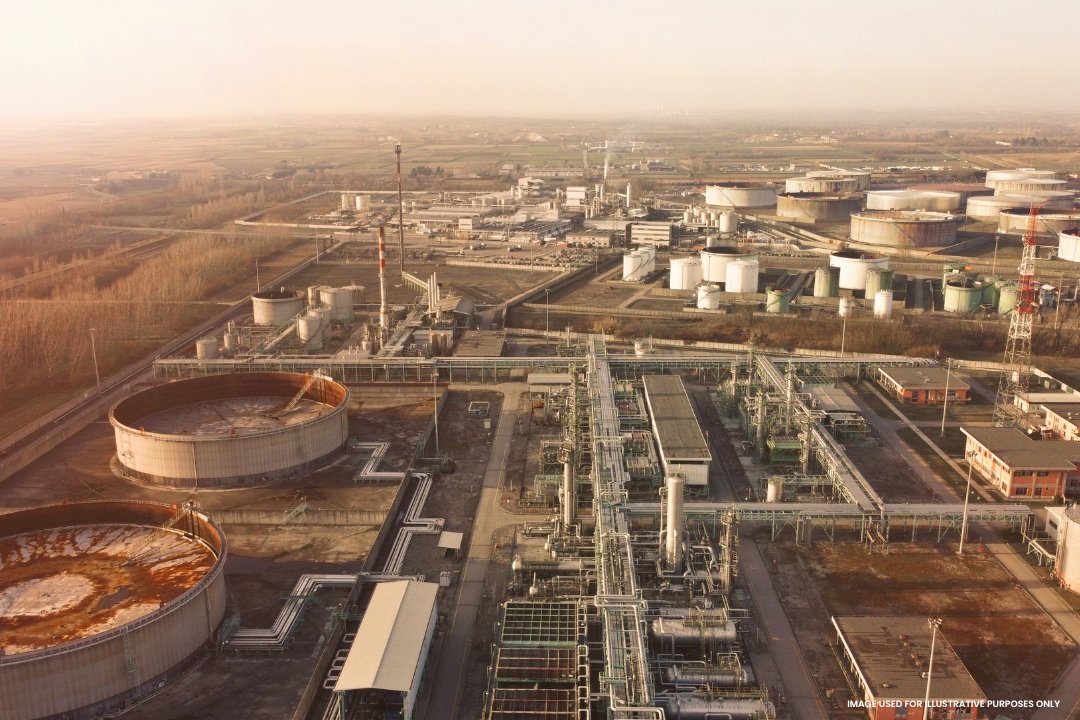
The Kuwait Petroleum Corporation (KPC) is pushing ahead with a series of structural mergers across its oil sector subsidiaries, while also stepping up recruitment of Kuwaiti nationals with petroleum engineering degrees. According to industry sources, the hiring drive is under way across several units, including the Kuwait National Petroleum Company (KNPC).
Sources said the merger between the Kuwait Integrated Petroleum Industries Company (KIPIC) and KNPC is now in its final stages. Meanwhile, the first phase of integrating the Kuwait Gulf Oil Company (KGOC) with the Kuwait Oil Company (KOC) is awaiting final sign-off. This includes the planned transfer of KGOC’s assets to KOC, with decisions expected during the early months of 2026.
Senior teams from both sides have recently held joint visits. A KGOC delegation from the Khafji Joint Assets Group met with a KOC group led by Executive Vice President of Exploration and Drilling Khalid Al-Mulla, Drilling Group Manager Dr. Haitham Al-Mayyan, and New Exploration Group Manager Talal Al-Adwani. They were received by KGOC’s Director of the Khafji Assets Group Abdulaziz Al-Saleh, Head of Joint Operations Naif Al-Salmi, Head of Projects Musaed Al-Mazeed, and Head of Human Resources Waleed Al-Khadah.
Sources indicated that KPC’s objective is to strengthen returns across its portfolio, noting that several operating companies have seen profitability fall in the past two years due to declining oil prices. The mergers are anticipated to generate annual savings of around $2 billion.
KPC also intends to allocate more than KD 22 billion towards exploration and production growth by 2030, with a long-term ambition of raising national production capacity to 4 million barrels of oil per day by 2035.
The sources added that consolidating buildings and integrating service departments could cut annual expenses by at least 20 percent. They noted that the streamlined structure is also expected to reduce bureaucratic delays and speed up decision-making across the group.