Japan has elected a record 42 female candidates to its Upper House, marking a significant step forward for gender representation in the country’s political sphere. In the election, women secured 33.6% of the 125 seats which were open, a rise from the 35 seats won during the previous election in 2022.
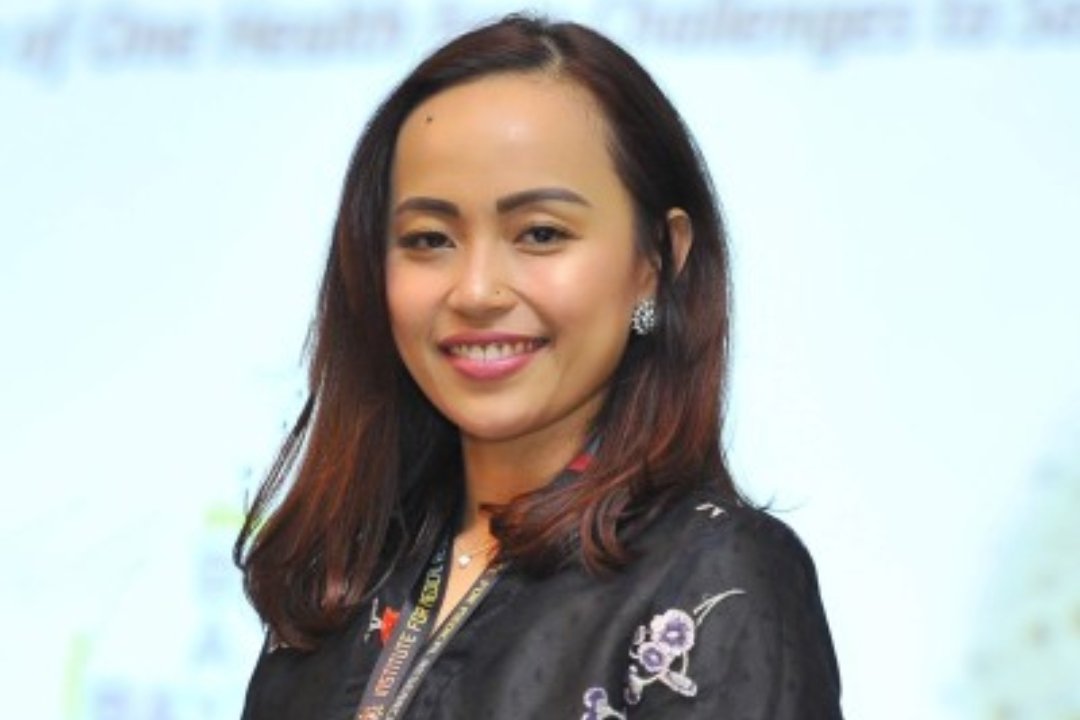
Among the new faces in parliament is Mayu Ushida, a first-time candidate for the Democratic Party for the People (DPP) and a former NHK newsreader. The 40-year-old triumphed in the highly contested Tokyo district, where 32 candidates were competing for just seven seats.
“In the course of my campaign, especially since the middle of the election period, I have heard many voices from young women, students and young men — some who are 18 years old and just got the right to vote,” Ushida said. “I really felt how anxious many of the young working generation are about their future, and felt their strong desire for something to be done.”
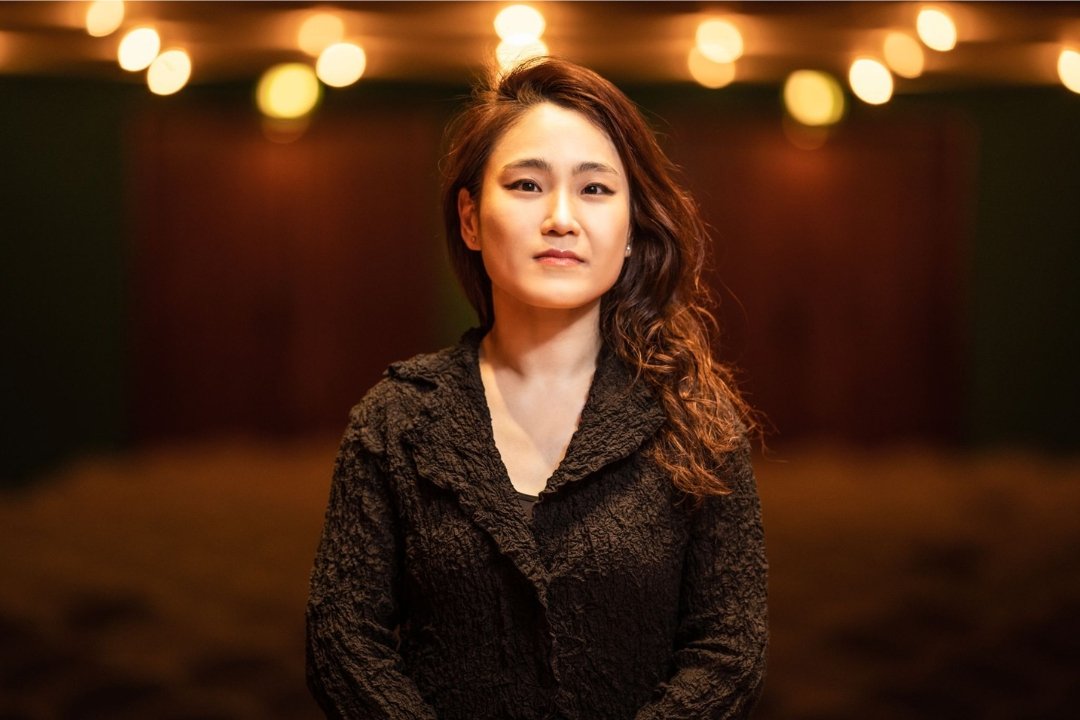
Also winning in the capital was Saya, a 43-year-old singer representing the far-right Sanseito party. Running on the group’s “Japanese First” platform, Saya saw a late boost in popularity and captured one of the 14 seats won by her party.
“I am really feeling the weight of each and every vote and I am feeling a strong sense of responsibility,” she told supporters. “I believe that the real battle for Japan and for the Japanese people will now begin.”
In total, four of the seven seats in Tokyo will be held by women. Incumbents Ayaka Shiomura of the Constitutional Democratic Party of Japan (CDP) and Yoshiko Kira of the Japanese Communist Party (JCP) both retained their seats alongside Ushida and Saya.
While 152 women stood in this year’s election, a decrease from 181 in 2022, they accounted for 29.1% of all candidates. That figure still shows scope for improvement, given the 35% target outlined in the government’s Fifth Basic Plan for Gender Equality.
Liberal-leaning parties such as the Social Democratic Party (SDP) and the JCP have long been known to nominate female candidates. However, this election stood out for the number of women fielded by traditionally conservative parties, including Sanseito and the DPP.
The SDP presented only four female candidates, whereas the DPP ran 12 and Sanseito had 24 women contesting seats. The ruling Liberal Democratic Party had 17 female contenders.
Despite the CDP having the most female winners overall, with 12 elected, several women from conservative parties made significant gains in district races. Sanseito secured five out of seven district seats with female candidates, while the DPP saw women claim four of its 10 seats, all first-time winners and relatively young.
Among those returning under proportional representation was Renho, a senior figure in the CDP. The 57-year-old secured reelection for the fifth time, reclaiming her spot in the Upper House after she lost it during her run for Tokyo governor last year, when incumbent Yuriko Koike retained the post.