
In a bold move to transform financial access for millions across the continent, the African Union Commission, in collaboration with the Sterling One Foundation and backed by the German government through GIZ, has stepped up efforts to bring private sector capital into the heart of women and youth inclusion.
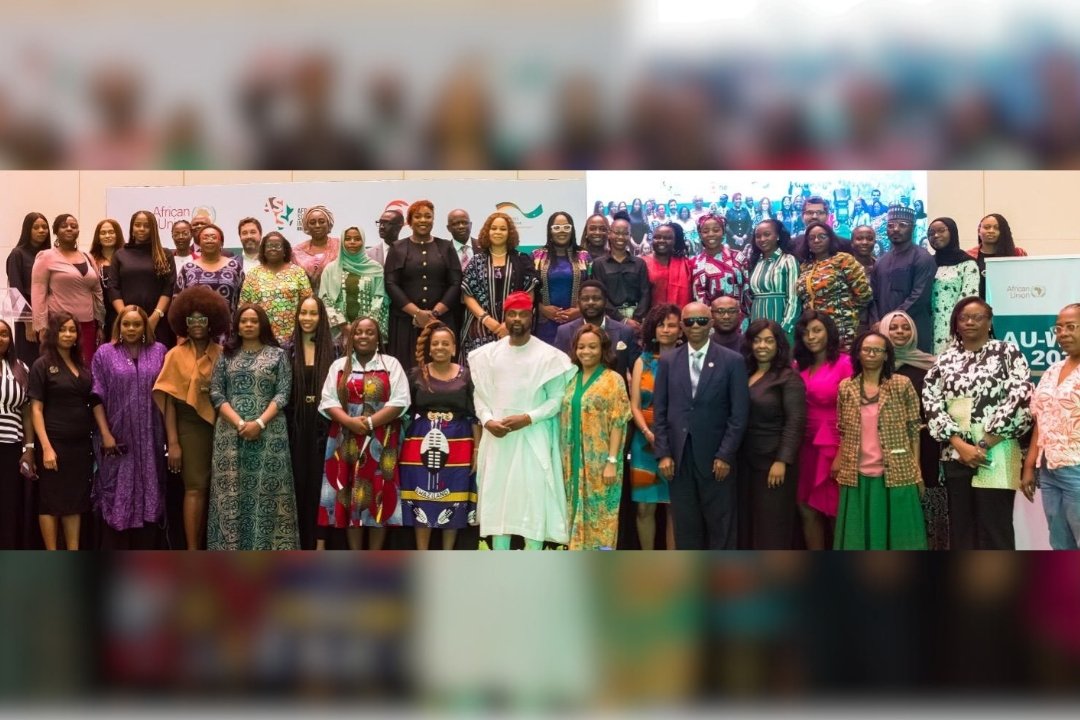
A high-level convening held ahead of the Africa Social Impact Summit 2025 brought together public and private actors to address the significant funding gaps faced by women and young people in Africa. The meeting was organised by the African Union Commission’s Women, Gender and Youth Directorate, with support from the German Federal Ministry for Economic Cooperation and Development (BMZ) through the GIZ African Union Portfolio.
The gathering was part of the ongoing implementation of the Women and Youth Financial and Economic Inclusion (WYFEI 2030) Initiative, a flagship programme under the African Women’s Decade on Financial and Economic Inclusion (2020–2030). Since its launch in 2022, WYFEI 2030 has served as a strategic multi-stakeholder platform focused on enhancing financial access for African women and youth.
At the centre of discussions was an ambitious agenda to unlock $100 billion in private sector investment by 2030 to reach at least 10 million women and young people. The initiative aims to reshape financial products and services, remove regulatory bottlenecks, and scale up blended finance approaches that can counter structural barriers limiting access to capital.
Setting the tone for the deliberations, Ms. Prudence Nonkululeko Ngwenya, Director of the Women, Gender and Youth Directorate at the African Union Commission, said “A fundamental shift is needed to place women and youth at the center of resource allocation, policy-making, and accountability.” She added, “The private sector is not a guest at this table, but a co-owner of the agenda, with WYFEI 2030 designed for co-investment, innovation, and scale to move from isolated impact to ecosystem change.” Her remarks highlighted the need for structural reform to ensure long-term and systemic change.
Ms. Olapeju Ibekwe, Chief Executive Officer of Sterling One Foundation, reiterated the urgency of inclusive capital flows, stating, “Inclusion cannot be rhetoric. Women and youth are not peripheral to Africa’s economy. Any agenda that sidelines them is simply incomplete. Every day, capital doesn’t reach them; opportunity is withheld from the continent.”
She continued: “Partnerships must move beyond alignment and toward shared execution that reflects the realities of Africa’s investment landscape.”
Also addressing the gathering, Dr. Tobias Thiel, Director of GIZ African Union, described the challenges facing women and youth in accessing financial opportunities as both systemic and urgent.
“Both a moral and economic imperative,” he said, adding, “Move forward together, with boldness and resolve, to create an Africa where opportunity is truly equal and potential is limitless.”
The convening featured a panel discussion where stakeholders examined the necessary financial architecture for mobilising private investment. Panellists focused on improving deal flows, removing regulatory inefficiencies, and building robust data systems to support investment in underserved markets.
A notable highlight of the meeting was the unveiling of the EmpowerHer Africa initiative, introduced by Dr. Nadi Albino, Deputy Director of Partnerships at UNICEF. The initiative, embedded within the WYFEI 2030 framework, aims to open access to finance, digital tools, and enterprise resources for 50 million adolescent girls and young women across Africa. It is designed to build the next generation of female entrepreneurs, innovators, and leaders.
This convening also marks the beginning of a continent-wide engagement series led by the African Union Commission’s Women, Gender and Youth Directorate, with the Sterling One Foundation coordinating continuing dialogue among stakeholders. These engagements are designed to encourage collaborative investment approaches, drive innovation in financing, and align national policies with the broader aim of removing structural obstacles to financial inclusion.
Through this collaborative model, the initiative intends to achieve scale and sustainability, turning collective ambition into tangible change for Africa’s women and youth.