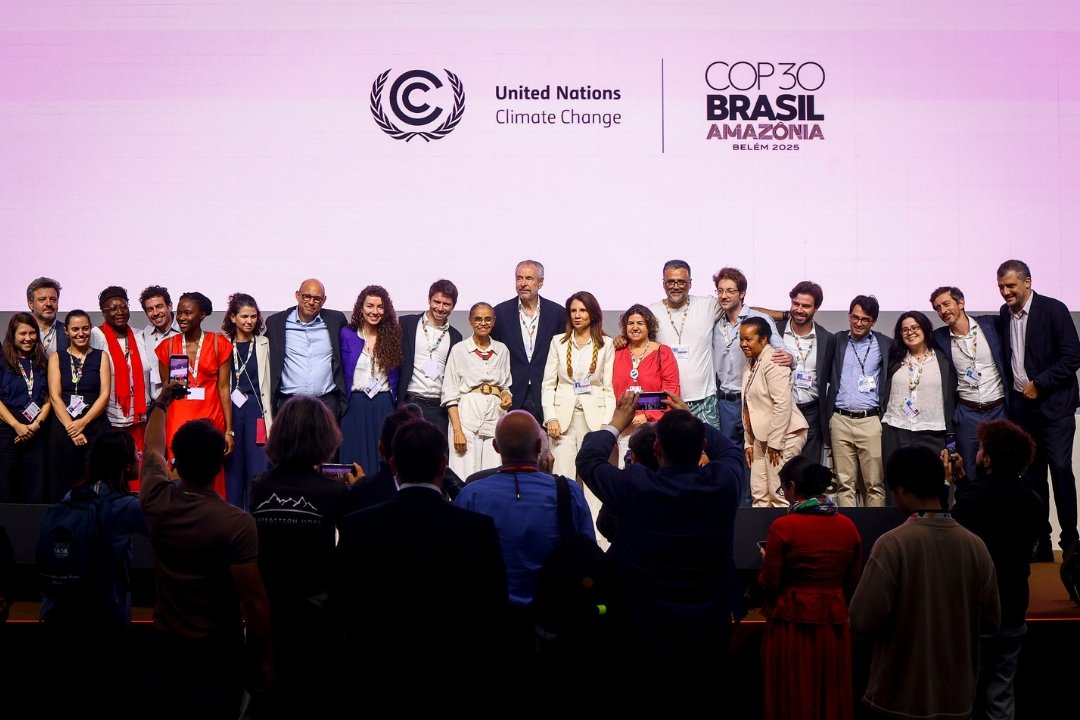

COP30 marked the 30th annual UN climate summit. “COP” stands for “Conference of the Parties”, referring to nearly 200 nations that signed the original UN climate convention in 1992. This year’s conference was scheduled to run from Monday 10 November to Friday 21 November, but negotiations continued late into Saturday 22 November in an effort to reach a deal.
The conference closed with a broad package of agreements that negotiators described as unexpectedly strong, given what officials called the most difficult geopolitical climate facing the Paris Agreement since it was adopted ten years ago. Delegates reached outcomes covering multilateral cooperation, links between climate action and public welfare, and measures intended to push countries towards faster delivery of the Paris commitments.
The final decisions were presented as managing to strike an equilibrium between competing global interests. Negotiators said the outcomes balanced priorities between North and South, developed and developing nations, energy and nature, technology and communities, as well as the long-standing divide between mitigation and adaptation.
At COP28 in the United Arab Emirates in 2023, nations agreed for the first time that the world must “transition away from fossil fuels in energy systems”. Brazil sought to translate that commitment into clearer, practical steps. Dozens of countries, including the UK, supported the idea of a detailed “roadmap”, but others opposed stronger language. The final COP30 agreement ultimately referenced the wording from the UAE but did not expand on it. In response, Brazil announced that it would independently initiate work on two new roadmaps:
- Transition to a fossil fuel-free economy in a just, orderly, and equitable manner
- Forest and Climate Roadmap to halt and reverse deforestation
Officials said these processes would continue regardless of divisions among parties, signalling Brazil’s intention to keep fossil fuels and forests at the centre of international climate discussions.
Negotiators confirmed that the Paris Agreement had been strengthened through new decisions on emissions reductions, adaptation to climate impacts, climate finance, and technical support for developing countries. These measures reflected gaps exposed by current Nationally Determined Contributions (NDCs) and the increasing severity of climate-related risks.
The final text also expanded recognition of groups seen as crucial to effective climate delivery, including women, Indigenous Peoples, and Afro-descendant communities. Subnational governments, which are frequently responsible for local climate initiatives, received formal acknowledgement for their role. Hosting the summit in the Amazon region drew heightened attention to the climate–nature link, reinforced through initiatives such as the TFFF (Tropical Forests Forever Facility) and additional visibility for ocean-related issues.
The core decision coming out of COP30 issued what officials described as a historic invitation for the world to join in a global “mutirão” (collective efforts) to tackle climate change. Near-universal agreement among almost 200 countries confirmed a renewed commitment to the Paris Agreement. Delegates said this marked a shift from more than three decades of negotiations to what is intended to become a new phase focused on concrete economic and societal transformation.
To support that transition, COP30 endorsed a series of measures designed to speed up implementation and strengthen cooperation between countries:
- Global Implementation Accelerator – This new mechanism will concentrate on actions with the highest potential for rapid scale, ranging from methane reduction to carbon removal through nature-based methods. It will also prioritise areas considered capable of triggering positive tipping points, including renewables, battery technologies, the cost of capital, digitalisation, and reforms to multilateral development banks. Officials said the Accelerator will operate in alignment with the Action Agenda, which expanded significantly in participation and resources during COP30.
- Tripling of Adaptation Finance – Delegates described this as a central milestone intended to support communities that contribute least to global emissions but face the greatest risks.
- Belém Mechanism for Just Global Transition – A new framework to help countries ensure that economic transitions are both fair and inclusive.
- Voluntary Indicators for Adaptation Progress – Countries agreed on a set of optional metrics under the Global Goal on Adaptation to help track improvements in resilience.
- Technology Implementation Program (TIP) – A new initiative with a defined work plan intended to advance technology priorities in developing countries.
- Gender and Climate Action Plan – Adoption of a revised plan with measures aimed at increasing the influence of women in addressing climate change.
- Dialogue Series on Trade and Climate – A new set of international discussions linking climate policy with global trade.
- Two-year Climate Finance Work Programme – Focused on improving the predictability of public finance flows from developed to developing countries.
COP30 concluded with negotiators highlighting what they described as clear expressions of renewed political will and strengthened multilateral climate cooperation. The decisions agreed in Belém set out new instruments for accelerating global action, emphasised the importance of climate justice, and reinforced the view that only sustained international cooperation can deliver a safe and resilient future for coming generations.