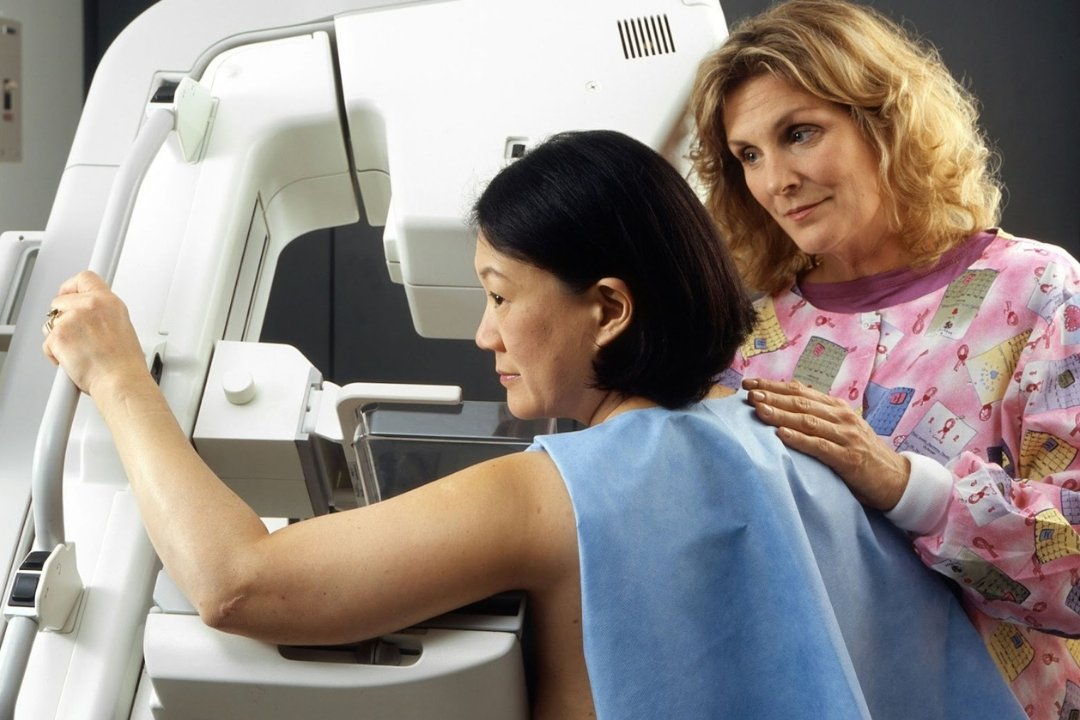

Artificial intelligence could soon turn routine breast cancer screenings into a vital tool for detecting heart disease. A study published in the European Heart Journal on 9 March 2026 indicates that AI can measure calcium in breast arteries to predict the risk of heart attacks and strokes. This large-scale research involved 123,762 women aged 40 to 79 across two major US health systems.
The AI tool analysed X-ray mammograms to quantify breast arterial calcification (BAC) in square millimetres. Researchers grouped participants into four categories ranging from no calcium to severe levels exceeding 25 mm². Over a seven-year follow-up period, the team monitored for major adverse cardiovascular events. The results showed that women with mild calcium build-up had a 30% higher risk of a heart event. Those in the severe group faced a risk roughly three times higher than women with no calcium.
“We found that the more calcium visible in the breast arteries on a mammogram, the higher a woman’s risk of a serious heart event such as a heart attack, stroke or heart failure,” said lead author Hari Trivedi, MD, an associate professor at Emory University. He noted that the findings remained accurate even for women under 50. “This was true even in younger women under 50—a group often considered low-risk—and held up after accounting for other risk factors like diabetes and smoking. This is the largest study of its kind and covers multiple races across two major U.S. health systems.”
Traditional heart risk tools like the PREVENT score rely on blood pressure and cholesterol data. However, the study found that adding AI-based calcium measurements provided a much clearer picture of a patient’s health. Cardiovascular disease is currently the primary cause of death among women, but it is frequently underdiagnosed. This automated method offers a way to use existing medical images to find high-risk patients without subjecting them to more radiation.
“For women, this means a mammogram you’re already having could also provide important information about your heart health—prompting a conversation with your doctor about preventive steps such as cholesterol testing or medication,” Trivedi explained. “For clinicians, it offers a practical way to identify women at cardiovascular risk who are currently being missed.”
The researchers concluded that medial arterial calcification represents a distinct contribution to heart risk. By standardising the measurement of these deposits through AI, the medical community can better guide preventive care. The study highlights that even though these calcifications become more common with age, their presence in younger cohorts is a critical warning sign that is often ignored by age-weighted models.