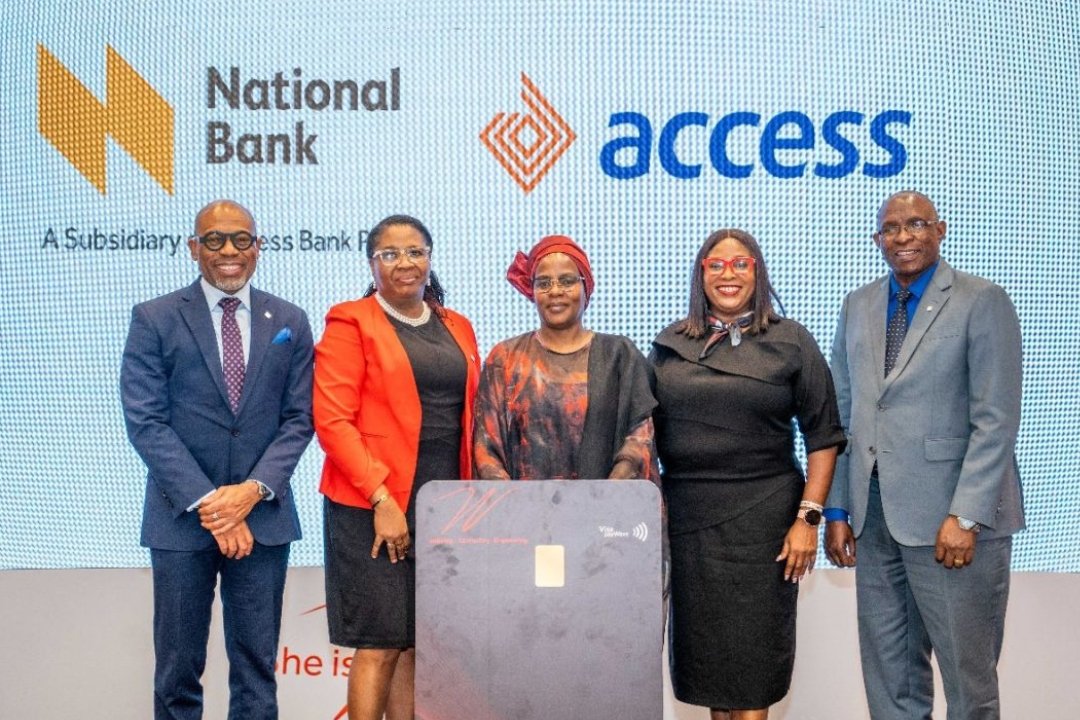

Access Bank Kenya and the National Bank of Kenya (NBK), both subsidiaries of Access Bank PLC, have introduced the W Initiative in Kenya, a programme designed to widen financing channels for women-led and women-backed businesses. The launch aligns with the bank’s continent-wide strategy to increase financial inclusion and widen support structures for women entrepreneurs.
The initiative builds on Access Bank’s operational presence across Africa and aims to expand business opportunities for women-owned enterprises while improving access to tailored financial services. According to the bank, $141 million has already been issued to women across the Access Bank PLC network under the wider W Initiative framework.
In Kenya, the programme consolidates NBK’s existing women-focused offerings – NIA, targeted at conventional banking, and Almasi Lady, which serves customers seeking Shariah-compliant solutions. By combining these under one umbrella, the banks intend to create a single, accessible ecosystem for women entrepreneurs at different stages of their business journeys. The structure is positioned as a long-term intervention to support enterprise resilience and advance gender-lens financing across the economy.
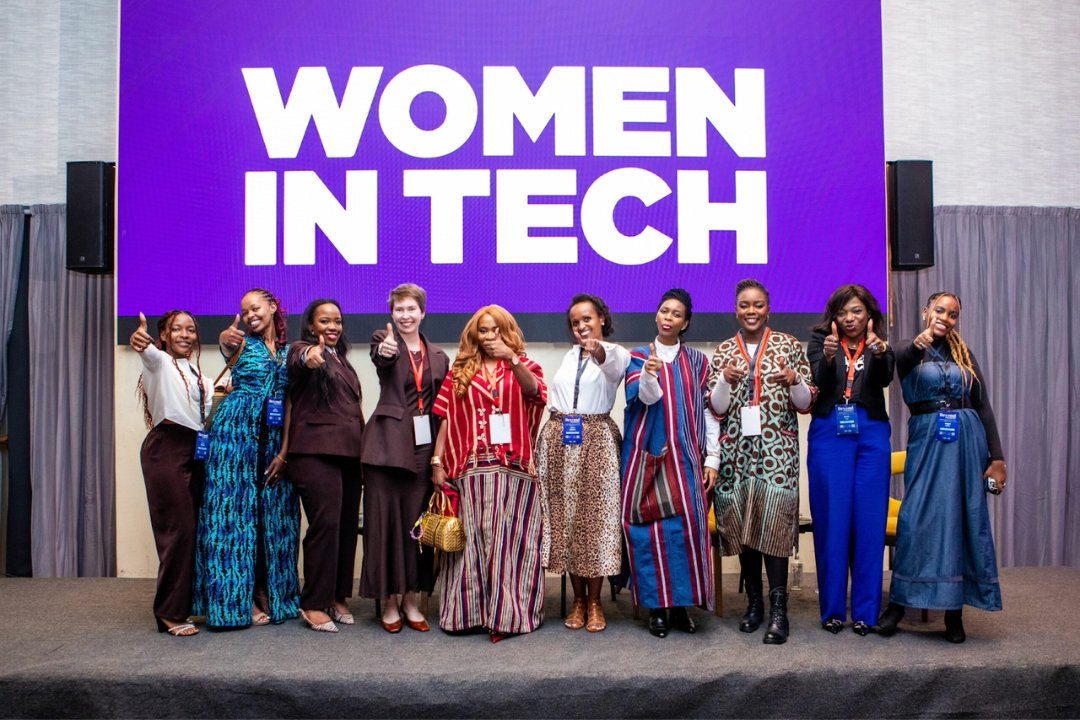
At the launch event, National Bank of Kenya and Access Bank Kenya Board Chair Barbara Barungi described the programme as an important step in the banks’ broader vision of inclusive economic participation. “The W Initiative is not just another product-it is a comprehensive ecosystem intentionally built around the realities, ambitions, and economic potential of Kenyan women. When women rise, communities rise, and tonight marks the beginning of many powerful stories yet to be written.”
The W suite features a range of products including W Cards, W Insurance, and W Loans or trade facilities. These are complemented by partnerships aimed at reducing risk for women-led SMEs, allowing more entrepreneurs to be considered for formal credit. Non-financial services form a central component, with the banks offering capacity-building sessions, exposure trips, business linkages, and networking events. The focus is on giving women practical tools and continuous support, backed by personalised customer service.
National Bank of Kenya Managing Director George Odhiambo reiterated the banks’ ongoing commitment to supporting SMEs, saying the new collaboration marks an important moment for targeted investment in women-led ventures. “Women entrepreneurs are a vital force within Kenya’s economy. By jointly deploying this proposition, we are signaling our commitment to dismantling barriers and equipping women with tools that translate ambition into measurable growth.”
Despite steady growth in the number of women-led enterprises on the continent, research indicates that structural challenges continue to limit access to finance. In Kenya, such constraints are especially visible. Only around 7 per cent of women-owned MSMEs are able to access formal credit, and loans to women-led businesses make up just 36 per cent of the total MSME lending landscape, even though women are responsible for a significant proportion of entrepreneurial activity. Sector observers note that these figures point to an uneven system where traditional lending criteria and limited collateral options restrict business expansion for many women.
The W Initiative has been designed to address these pressures by going beyond lending and targeting broader system barriers. Through mentoring, community networks, and business advisory support, the programme seeks to help entrepreneurs strengthen their enterprises and enter new markets. It also introduces an integrated approach, combining financial and non-financial interventions to support long-term business sustainability.
Access Bank’s experience in deploying similar models elsewhere in Africa is expected to shape the Kenyan rollout. The banks emphasise that the initiative is meant to serve women at multiple stages, from early business formation to scaling. The Kenyan operation will act as a strategic addition to the wider network, building on the bank’s established gender-focused framework.
A separate statement from Access Bank (Kenya) PLC and NBK highlighted Kenya’s position as a centre of excellence for expanding the movement across the region. The banks described the collaboration as a key part of their commitment to supporting equitable growth while giving women a platform to gain visibility and build stronger enterprises.
By bringing together accessible financing, practical business support, mentorship, and community networks, the programme offers Kenyan women a comprehensive platform to grow, compete, and thrive.