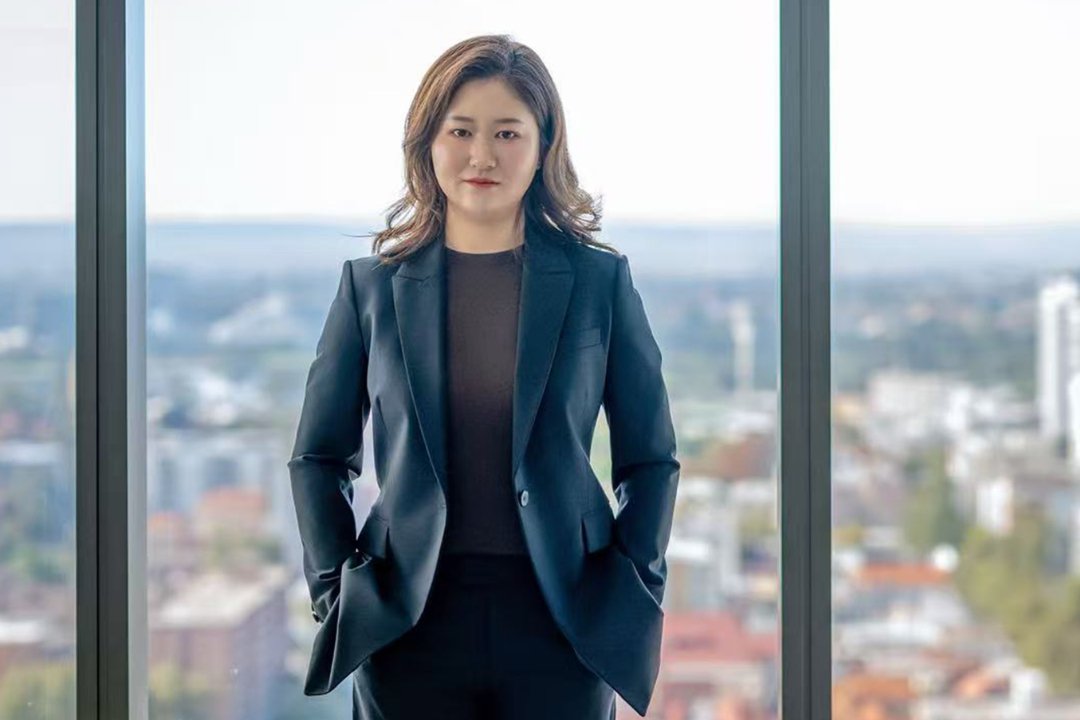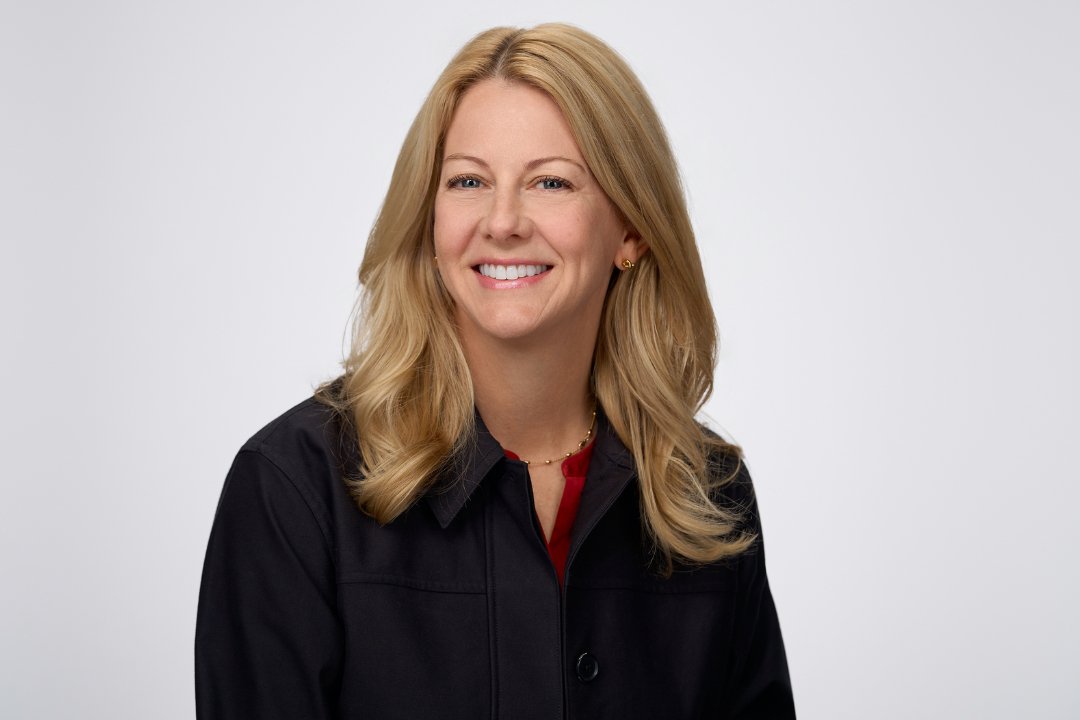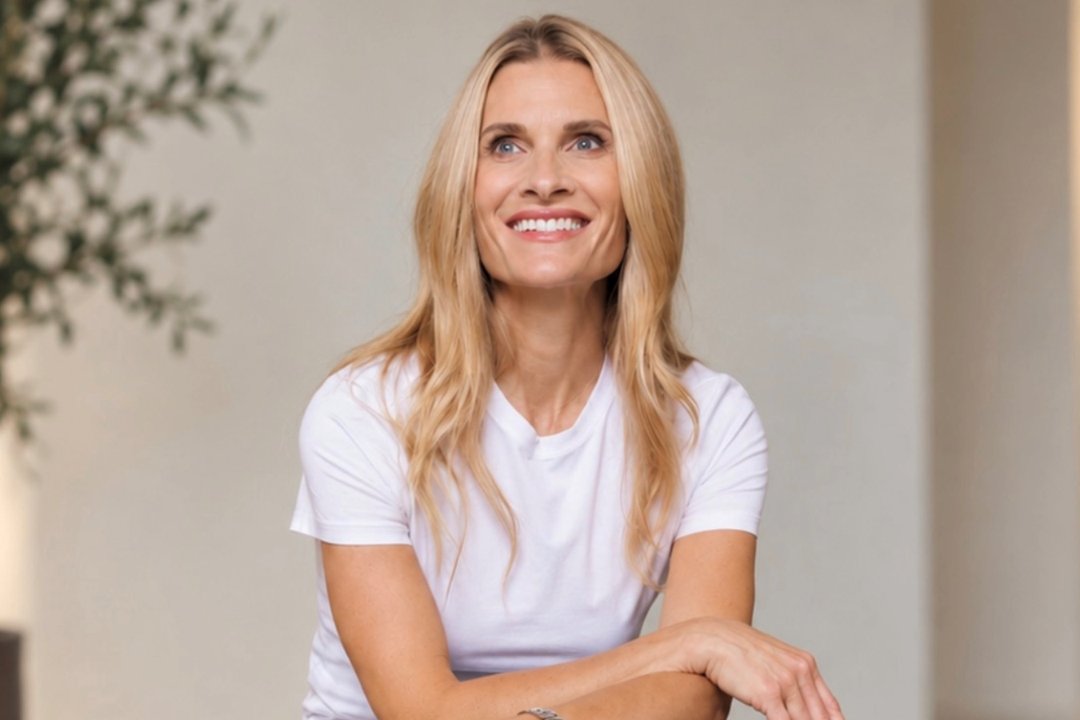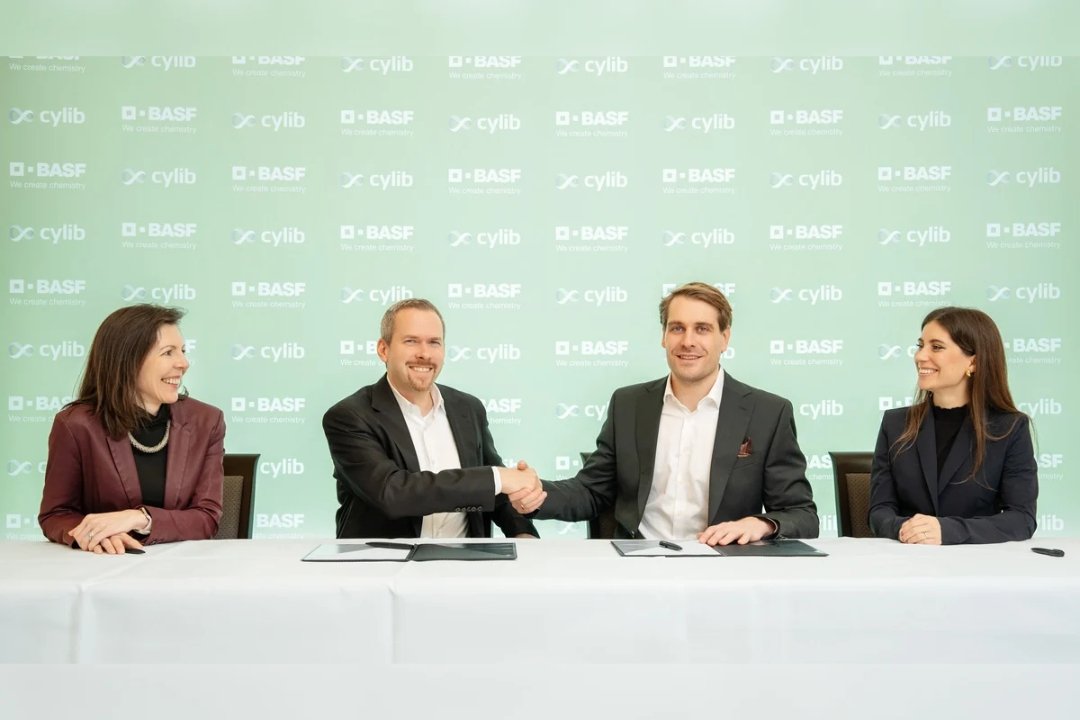

German battery recycling company cylib, co-founded and co-led by Dr Lilian Schwich, has signed an agreement to acquire BASF’s battery recycling business, marking a significant expansion for the Aachen-based company as it strengthens its position in Europe’s growing circular battery economy.
The agreement, signed on 20 November 2026 and announced on 23 November, covers BASF’s battery recycling activities in Europe and North America. The transaction includes intellectual property, existing customer and partner agreements, and two industrial facilities in Schwarzheide, Germany. Financial details have not been disclosed.
The acquisition will bring BASF’s black mass production plant and battery recycling prototype facility into cylib’s expanding industrial network. Black mass is a material produced from processed batteries that contains valuable metals, which can subsequently be recovered and reused in battery manufacturing.
For cylib, the agreement represents an important step towards establishing a more integrated recycling operation capable of processing used batteries and recovering critical raw materials, including lithium, nickel, cobalt, graphite and manganese.
Schwich, who serves as co-chief executive alongside fellow co-founder Dr Gideon Schwich, has positioned the company around the development of sustainable battery recycling technologies and the creation of more resilient European supply chains.
Founded in 2022 by Lilian Schwich, Gideon Schwich and Paul Sabarny, cylib emerged from research at RWTH Aachen University. The company has developed a water-based recycling process known as OLiC, which it says can recover more than 90% of key battery materials while producing approximately 80% fewer carbon emissions than primary raw material extraction.
Its operations currently include research and development activities in Aachen, mechanical processing capabilities in Bavaria and plans for a larger hydrometallurgical processing facility in Dormagen.
The addition of BASF’s Schwarzheide facilities will provide cylib with an established industrial processing site, experienced personnel and access to additional battery recycling material. The acquisition will also extend its commercial reach into North America through BASF’s existing customer relationships.
Commenting on the agreement, Schwich emphasised cylib’s ambition to develop a European recycling system in which critical battery materials can be recovered, processed and retained within the region.
The transaction follows further developments in cylib’s growth strategy. On 17 November, Germany’s Federal Agency for Breakthrough Innovation, SPRIND, announced an investment in the company, supporting its efforts to scale battery recycling technologies and strengthen domestic access to strategically important materials.
For BASF, the divestment forms part of a broader restructuring of its battery materials division. The German chemicals group intends to concentrate its resources on cathode active materials, which it considers central to its future competitiveness in the battery industry.
BASF has indicated that cylib’s specialist recycling capabilities and expanding industrial infrastructure provide an opportunity for the business to develop within a company focused specifically on battery material recovery.
Both companies intend to maintain their working relationship following the transaction, while existing operations at Schwarzheide will continue.
The acquisition is expected to be completed in the second or third quarter of 2027, subject to regulatory approvals and customary closing conditions. Until then, BASF will remain responsible for managing the recycling business.
The agreement represents a significant milestone for Schwich and cylib, with the relatively young company preparing to integrate an established recycling business from one of the world’s largest chemicals groups. It also highlights the increasing strategic importance of battery recycling as European manufacturers seek more secure and sustainable sources of critical raw materials.