
Latin America enters 2026 as a region defined by remarkable resilience. While global markets have faced turbulence, the IMF’s January 2026 update indicates that the region has largely stabilised, with inflation expected to settle at an average of 4.3% this year, a significant cooling from previous peaks. This stability has been reinforced by a strong recovery in labour markets. Yet a persistent gap remains: nearly 73% of women-led businesses across the region still face barriers when it comes to accessing formal credit.
Latin American central banks and regulatory bodies are implementing targeted policy measures to address the $93 billion credit gap for women-led businesses. Key initiatives include mandates for gender-disaggregated data in countries like Mexico and Brazil, and the promotion of Open Finance systems in Chile and Mexico to leverage alternative credit data. Additionally, programs in Brazil like the National Program for Productive-Oriented Microcredit (PNMPO) prioritize women in vulnerable regions, while regional institutions blend financial capital with technical assistance for gender-sensitive credit assessments.
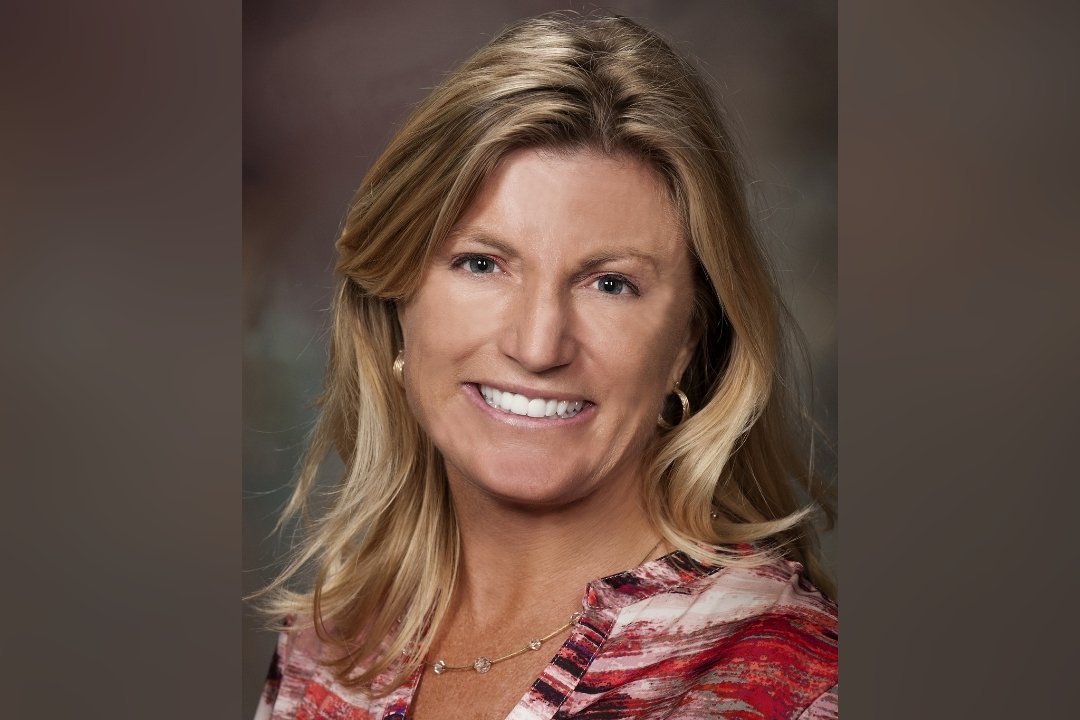
As Latin America moves towards projected GDP growth of 2.3% in 2026, experts increasingly agree that the real ‘growth engine’ will come from closing these inclusivity gaps. This view was recently echoed by Susana Cordeiro Guerra, the World Bank’s Vice President for Latin America and the Caribbean, who stressed that the region must ‘accelerate reforms to mobilize private capital’ in order to close the financing divide and drive sustainable development.

Governments in the region have steered their economies through repeated shocks while preserving stability. Now is the time to continue building on that foundation—accelerating reforms to improve the business climate, invest in enabling infrastructure, and mobilize private capital
Susana Cordeiro Guerra, Vice President for Latin America and the Caribbean at the World Bank.
At the centre of this shift is a new generation of leadership. These are not simply executives, but architects of a more inclusive financial ecosystem. From neobank pioneers to trailblazing institutional heads, the female leaders featured below are not just participating in the Latin American economy, they are driving its next chapter.

Image source: Tarciana Medeiros/LinkedIn
Tarciana Paula Gomes Medeiros: The Purpose-Driven Powerhouse
Tarciana Paula Gomes Medeiros is not just a CEO; she has become a symbol of a ‘new Brazil’. Rising from humble beginnings as a market vendor and teacher, she went on to make history as the first woman to lead Banco do Brasil in its 200-year history, redefining what it means to run a state-owned financial giant. In Forbes’ 2025 World’s Most Powerful Women list, she climbed to 18th place, reinforcing her position as one of the most influential figures in Latin American finance.
Since taking the helm in 2023, Medeiros has leveraged the bank’s vast balance sheet, the second-largest in the region, to push Brazil’s green economy agenda. Beyond her landmark $250 million partnership with the Inter-American Development Bank (IDB) to support sustainable infrastructure, she has also sharpened the bank’s focus on social impact. Under her leadership, Banco do Brasil significantly increased lending to women entrepreneurs, reaching a milestone of approximately $3.5 billion, a trajectory she has continued to accelerate.
She has also made gender representation a visible leadership priority. Medeiros has publicly committed to a goal of 50% female leadership at Banco do Brasil by 2030, while expanding the bank’s Pró-Equidade programmes to tackle the credit barriers faced by women-led businesses. This includes earmarking dedicated funds for women entrepreneurs in Brazil’s North and North East, regions where access to finance has historically lagged behind the country’s major urban centres.
For Medeiros, banking is not simply about the bottom line. It is about ensuring that Brazil’s 2026 growth is both sustainable and inclusive.

Image source: Cristina Junqueira/LinkedIn
Cristina Junqueira: The Neobank Pioneer
Cristina Junqueira represents the disruption of Latin American banking in its purest form. As Co-founder and Chief Growth Officer of Nubank, she has helped build the world’s largest neobank from the ground up. By January 2026, Nubank’s customer base had surged to more than 127 million users across Brazil, Mexico and Colombia, a dramatic leap from the 53 million reported just a few years earlier. In a historic shift, Nubank is now officially the largest private financial institution in Brazil by customer numbers, proving that the digital-first model Junqueira helped pioneer is no longer the ‘alternative’. It is rapidly becoming the standard.
After building her career inside some of Brazil’s biggest banks, Junqueira made the leap into fintech out of frustration with high fees and poor customer service. That decision helped spark one of the most significant shifts in the region’s financial landscape. Today, she is widely recognised as Brazil’s wealthiest self-made woman, with an estimated net worth of $2.2 billion.
Yet her focus has remained firmly on the human side of finance. She famously signed Nubank’s Series A funding papers from her hospital bed while in labour, and has since become one of the region’s most vocal advocates for gender inclusion. Under her leadership, Nubank has sustained a workforce that is close to 50% female, setting a new benchmark for gender representation in the region’s finance sector.
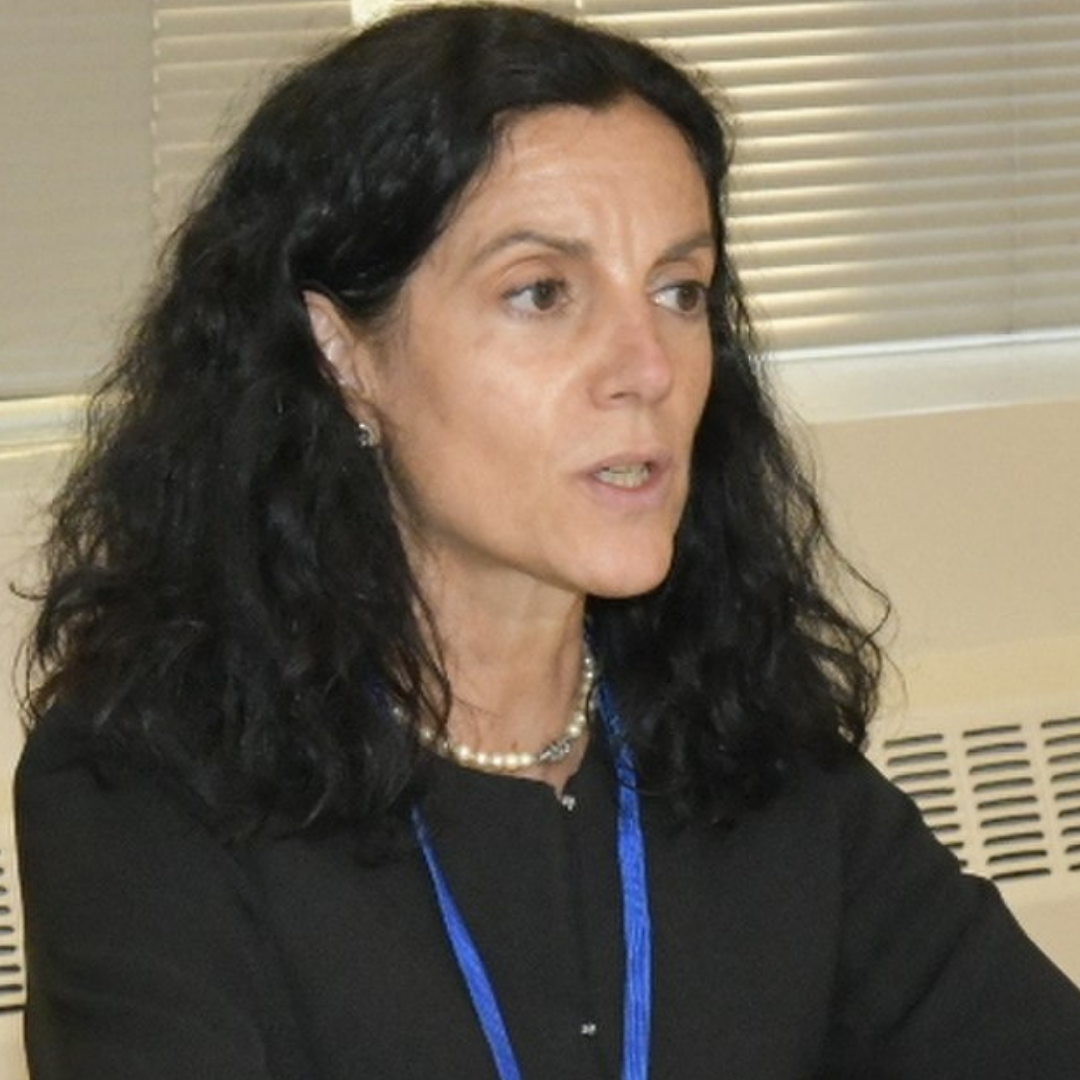
Azucena Arbeleche: The Architect of Sovereign Stability
While many leaders focus on managing wealth, Azucena Arbeleche reshaped how a nation earns credibility in the global financial system. As Uruguay’s first female Minister of Economy and Finance, serving from 2020 to 2025, she became one of the region’s most respected figures in environmental finance, positioning Uruguay as a global pioneer in linking sovereign strategy with climate performance.
Her impact was recognised internationally in March 2022, when she was named ‘Best Minister in the World’ at the World Government Summit in Dubai. Chosen from a shortlist of 10 global ministers, Arbeleche was praised for her leadership in Uruguay’s post-pandemic recovery, which delivered record-breaking exports and strong job creation. Just weeks after taking office, she spearheaded the creation of the COVID-19 Solidarity Fund (Fondo Solidario COVID-19) in April 2020, designed to centralise resources for health emergencies, social security support such as unemployment and sickness benefits, and targeted assistance for vulnerable households and SMEs.
Arbeleche’s credibility was built long before she entered the global spotlight. During the 2002–2003 financial crisis, she served as an adviser to Uruguay’s Minister of Finance on debt-related issues, and later led the country’s Debt Management Unit from 2011 to 2014.
One of her most influential achievements came in 2022, when Uruguay issued a $1.5 billion Sovereign Sustainability-Linked Bond, the first of its kind in the world to include a bidirectional interest rate structure. In practical terms, the bond’s coupon can step down if Uruguay exceeds its environmental targets, or step up if it falls short, placing measurable climate outcomes at the centre of national borrowing.
She also secured a landmark $350 million World Bank loan in November 2023, the first World Bank loan to include built-in climate incentives. The agreement offered an interest reduction of up to $12.5 million if Uruguay met specific targets, including reducing methane emissions intensity in beef production.
By proving that environmental performance can directly lower a country’s borrowing costs, Arbeleche helped create a blueprint now shaping how governments across Latin America approach sustainable finance, sovereign credibility and inclusive growth.
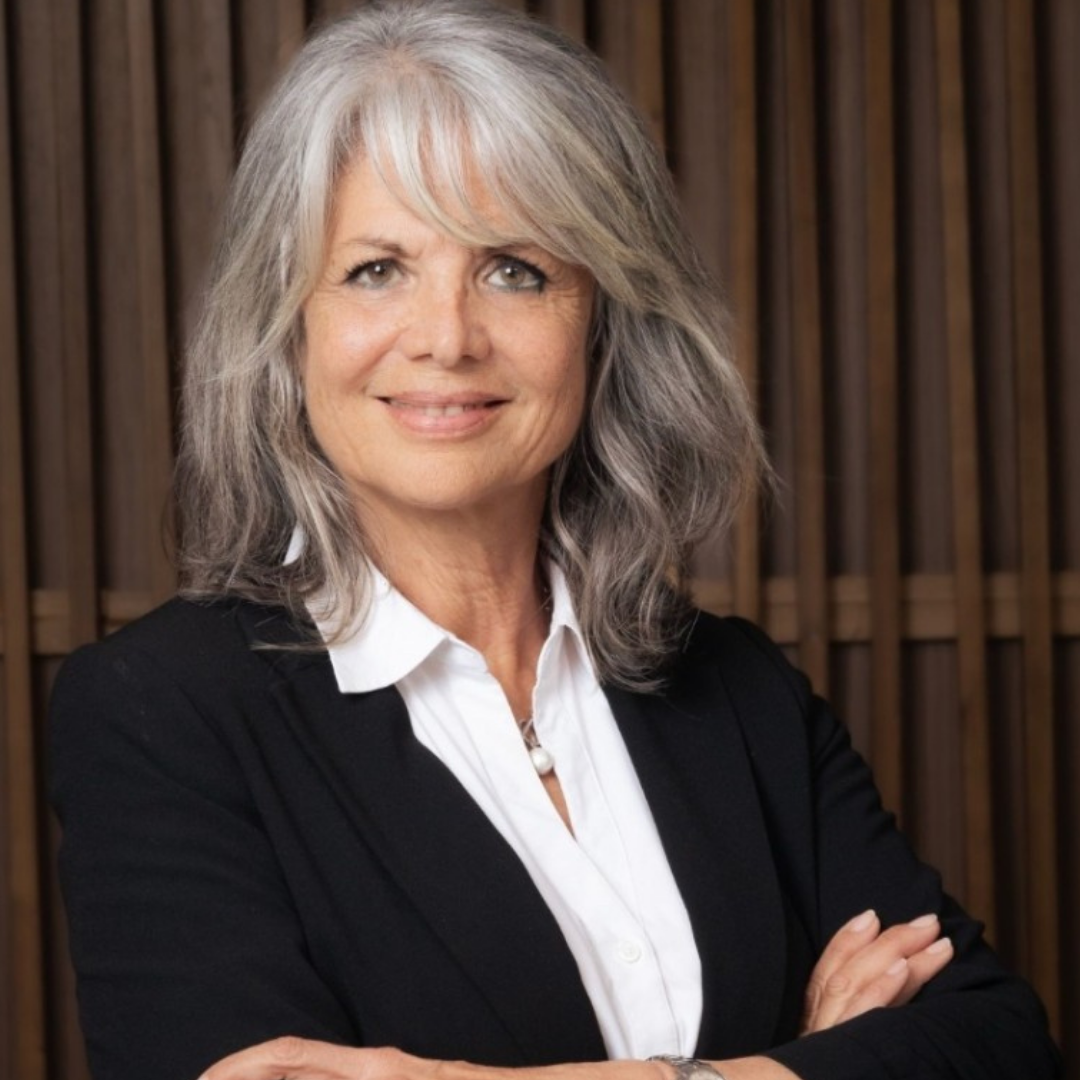
Image source: Marta Cruz/LinkedIn
Marta Cruz: The Ecosystem Multiplier
In the high-stakes world of Latin American venture capital, Marta Cruz has become one of the sector’s most influential dealmakers. As Co-Founder and General Partner at NXTP Ventures, Cruz has spent 15 years making the case that B2B technology is the backbone of the region’s economic future. NXTP has channelled capital into more than 150 tech start-ups across 16 countries, building one of the most recognised portfolios in the Latin American ecosystem. Her track record includes six unicorns, among them the cybersecurity giant Auth0, acquired for $6.5 billion and the e-commerce powerhouse Nuvemshop.
Her influence extends beyond her own fund. Cruz made history as the first female president of ARCAP, the Argentine Association of Private Equity and Venture Capital, breaking a major glass ceiling in Argentina and across Latin America’s venture capital sector. She has also been repeatedly recognised as one of Bloomberg’s 500 Most Influential People in Latin America and was named a ‘Power Woman in FinTech’ by Innotribe in 2015. More recently, in 2024 and 2025, she received accolades for her work in impact investing, widely credited as a pioneer who proved that social equity and strong returns are not mutually exclusive.
Cruz has also placed a clear focus on what she calls ‘investing in the investors’. Through WeInvest Latam, a community she co-founded, she has helped professionalise and grow a network of more than 500 women investors, working to close the gender gap among those who hold the cheque books.
Her latest milestone is among her most strategic: the successful closure of NXTP Fund III. While earlier reports positioned the fund at $110 million, it ultimately closed at $98 million, with backing from major institutions including the International Finance Corporation (IFC). The fund is now being deployed to back the next generation of cloud and SaaS (Software as a Service) companies, as well as AI-driven fintechs and logistics platforms designed to tackle the region’s $93 billion credit gap.
For Cruz, closing that gap is not simply a social mission, but a clear investment opportunity. Her message to the industry remains consistent: diverse teams are not a ‘nice to have’. They are statistically proven to deliver stronger returns and more resilient business models.

Image source: Veronica Crisafulli/LinkedIn
Verónica Crisafulli: The Credit Inclusion Innovator
Verónica Crisafulli is emerging as one of the most influential voices in Latin America’s next wave of fintech. As Co-Founder and CEO of MO Technologies, she has pioneered a ‘Credit-as-a-Service’ model designed to modernise how lending decisions are made. Her platform has grown beyond its Colombian roots, providing AI-driven infrastructure that enables banks and fintechs to assess ‘invisible’ customers, those without a formal credit history, in seconds.
Crisafulli’s mission is personal and ambitious: to expand access for the three billion people worldwide who remain excluded from traditional finance. Her patent-pending technology uses machine learning to analyse alternative data, transforming everyday digital behaviour into measurable credit indicators. This tech-first approach has attracted global attention. She has been recognised as one of the ‘10 Most Inspiring Business Women Making a Difference’ and has led MO into a strategic partnership with Mastercard’s Start Path programme.
With operations expanding into markets including Mexico, Spain and Singapore, MO Technologies is increasingly positioning itself as a digital backbone for financial inclusion. For Crisafulli, the objective is not simply to offer credit, but to ensure that in the digital age, access to finance is not determined by a missing paperwork trail.