
Scientists at the Eli and Edythe Broad Center of Regenerative Medicine and Stem Cell Research at UCLA have secured $4.7 million in funding from the California Institute for Regenerative Medicine (CIRM) to support two major research projects focused on women’s health and blood cancers in children with Down syndrome.
The grants will fund pioneering work aimed at overcoming critical challenges in developing effective stem cell-based therapies for female-specific conditions and childhood leukemia.
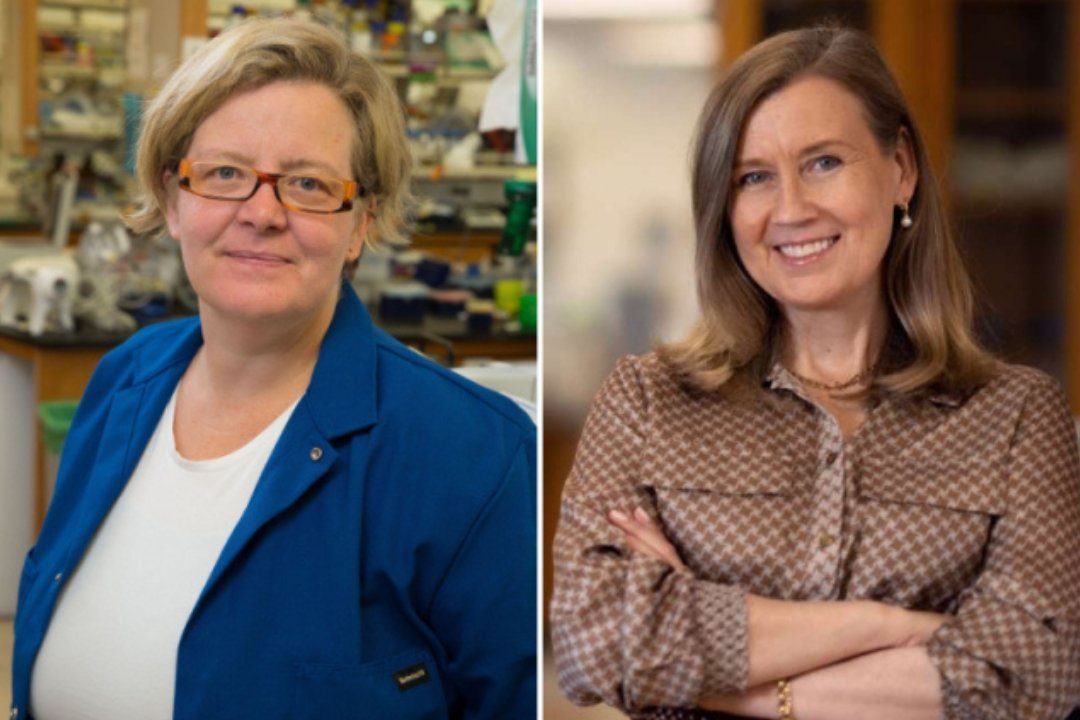
A $2.4 million award has been granted to Dr. Kathrin Plath, professor of biological chemistry, whose team is investigating a major barrier in women’s health research: the phenomenon known as X-chromosome inactivation erosion (XCI erosion). This occurs when genes on the inactive X chromosome spontaneously reactivate in female human pluripotent stem cells during laboratory culture.
Because men and women have different sex chromosomes, XX in females and XY in males, women undergo a process called X-chromosome inactivation early in development, which silences one X chromosome to balance gene expression with males. This process is vital for normal development. However, XCI erosion in stem cell models undermines the reliability of these tools and limits their usefulness in clinical applications.
By developing new approaches to maintain correct X-chromosome inactivation in stem cell cultures, Plath’s team aims to improve the accuracy of disease models and pave the way for safer and more effective stem cell therapies tailored to female patients.
Another $2.3 million grant will support research led by Dr. Hanna Mikkola, professor of molecular, cell and developmental biology, focused on understanding why children with Down syndrome are at a significantly higher risk of developing leukemia.
Currently, little is known about how this blood cancer begins during pregnancy or how to identify pregnancies at risk. Mikkola’s team will trace how blood stem cell development goes wrong, leading to a pre-leukemic condition that can either disappear naturally after birth or progress into leukemia.
Using patient samples and pluripotent stem cell models, the researchers plan to map the disease’s evolution at the single-cell level to identify the mechanisms that drive its progression. This could help scientists develop new strategies to prevent the disease before it emerges.
The findings could also expand understanding of other blood disorders that originate before birth and provide a framework for creating specific blood cell types, improving both disease modelling and potential cell-based therapies.
The projects mark a significant step forward in translating stem cell science into real-world treatments, with the potential to transform care for women and children affected by these complex conditions.